We use cookies on our website.
Some of them are necessary for the functioning of the site, but you can decide about others.


Jessica Huras is a writer and editor with over a decade of experience creating travel and food content. In addition to writing for PAX, she’s a content editor for LCBO Food & Drink magazine and her work has also appeared in the Toronto Star, the Globe and Mail, Toronto Life, Chatelaine and Elle Canada.
Multigenerational adventures, women-only solo trips and demand for better value are shaping Canadian luxury travel heading into 2027, according to Virtuoso’s latest research and a panel of industry leaders.
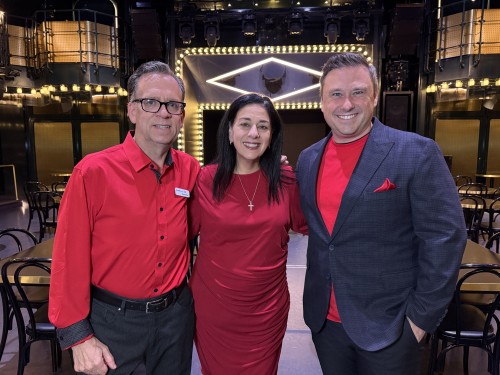
At an Oct. 22 press event at Shangri-La Toronto, the network explored its 2027 Virtuoso Luxe Report: Canada, with advisors describing clients who are planning further ahead and investing in more personalized experiences.
The report surveys Virtuoso advisors about their luxury clientele.
Italy remained the most requested international destination, while Japan climbed two places to second.
Iceland and Antarctica led destinations on the rise, and Canada ranked second among family destinations, behind a tie between Costa Rica and Mexico.
According to Virtuoso, advisors are entering 2027 with their most confident outlook in three years.
Half expect leisure travel demand to rise at least slightly in 2027, while another 23 per cent anticipate a significant increase.
Meanwhile, 61 per cent predict increased spending per trip, with another 17 per cent forecasting a significant jump.
For Anna Judek, president and owner of Zebrano Travel, that optimism is reflected in clients’ willingness to plan ahead.
“Last year, we were seeing clients holding on and not looking far in advance,” she said.
“They were waiting to see what was happening in the world. We had a lot of last minute bookings.”
Now, they are already discussing their travel plans for 2027, she said.
Moderated by Karen Hardie, Virtuoso’s general manager, Canada, the panel brought together Judek; Ilana Valo, founder and CEO of TWIL Travel; Ashwin Mather, general manager of Shangri-La Toronto; and Misty Belles, Virtuoso’s vice president of global public relations, to discuss how the trends outlined in the report are playing out.
Valo said clients are looking for more value, not necessarily a lower price.
“When we talk about value, it’s not that the clients are looking to spend less,” she said.
“It just means that they want to make sure that they’re getting value for their money.”
The panel linked this shift to what the report calls “Fancy-flation.”
Many travellers are choosing destinations where their budgets stretch further while keeping the suites, private guides and other luxury experiences they want.
Belles pointed to Vietnam, Argentina and Colombia as destinations offering value, creating opportunities for advisors to guide clients toward places they may know less about.
“It also really reinforces the value of advisors because these are just destinations they might not know as well, where they really need your expertise and guidance,” she said.
Valo also sees clients investing in smoother journeys that help them avoid airport queues, lengthy arrival procedures and inconvenient flight schedules.
“We're really seeing a lot of people spend more on seamless travel,” she said, highlighting options like private charters that better suit clients' schedules and VIP airport services that streamline departure and arrival.
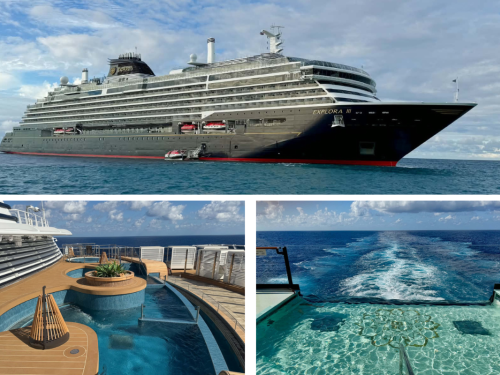
Multigenerational travel ranked as the report’s leading trend, while expedition cruising climbed from ninth to second.
Panellists described growing overlap between the two.
Judek said grandparents frequently fund these vacations as a way to bring the family together.
“Clients like to keep the generations busy with different activities throughout the day, but then they come together in the evening,” she said.
That balance helps explain expedition cruising’s appeal to families.
Valo explained that expedition cruises can accommodate different generations and activity levels, offering onboard presentations and lighter excursions for some family members and more demanding outings for others, while still allowing time together.
“It’s really about creating these incredible memories with the people that you love,” Valo said.
At the other end of the spectrum, women-only solo travel debuted at No. 3 among solo experiences, cited by 40 per cent of advisors.
Belles said solo female travellers are discovering that travelling independently can still involve meaningful connections.
“They’re independent because they’re travelling alone, but they’re also not travelling lonely,” she said.
Valo also sees women becoming more comfortable investing in travel for themselves, choosing experiences around their own interests rather than waiting for permission to go.
Wellness, meanwhile, ranked second among solo travel experiences, behind guided tours, and is expanding beyond the traditional spa getaway.
“I'm finding wellness is really translating into doing a kind of a physical activity or a very active vacation together,” Judek said.
“Clients are hiking the Camino Trail or they're going into the Dolomites.”
She noted this trend also extends to clients planning trips around popular sports like pickleball.
Valo added that well-being doesn’t always mean a spa treatment or a physical challenge.
For some clients, exploring a city’s museums and art can be equally fulfilling.
“I think it’s doing something that fills your cup,” she said.
Don't miss a single travel story: subscribe to PAX today! Click here to follow PAX on Facebook.